Start Here: A Simple Plan
A hot house in July or a cold one in January is a real problem. Here is a short plan to get moving.
First, note what is happening. Is the AC running but not cooling? Is the furnace silent? Write down any odd sounds, smells, or error lights.
Next, check the basics. Make sure the thermostat is set correctly and has fresh batteries. Look at the breaker. Check that the air filter is not clogged.
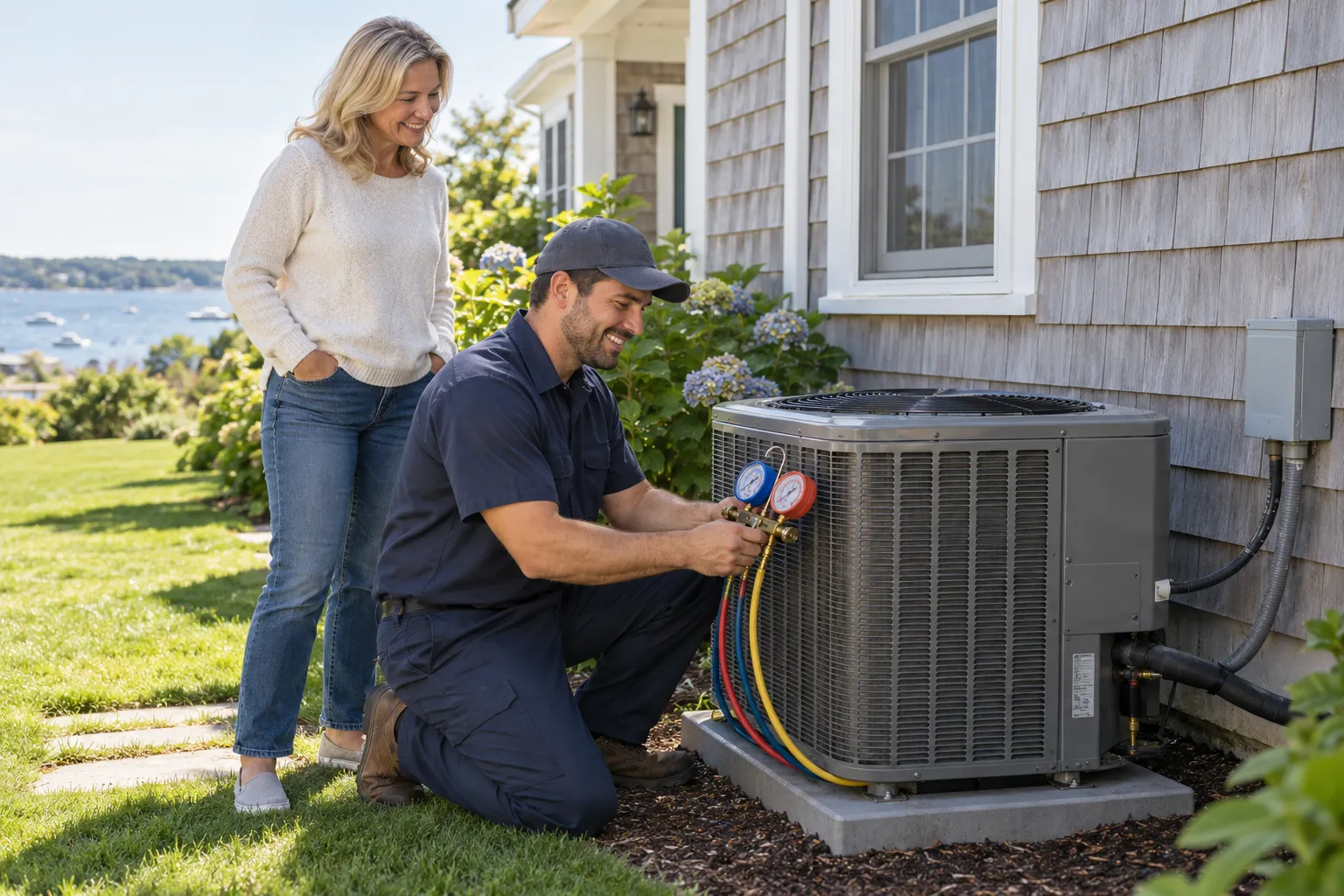
Then, reach a provider. Closeddefense Heating & Air is a referral service. We do not do the repair work. We connect homeowners in New York and the New York area with independent local providers who handle heating and cooling jobs.
If the basics do not solve it, request an estimate. It takes a few minutes, and there is no obligation.
Get Started
Prefer to talk it through? Request a callback to check provider availability. Call hours vary by provider.
Last, think about what comes after the repair. A fixed system still needs care. The provider can explain simple maintenance so the same fault is less likely to come back. Emergency AC repair is stressful. A little planning afterward makes the next season calmer.
Safety note: if you smell gas or burning, leave the house first and contact your gas utility or emergency services.
How It Works
The Process in Three Steps
1. Describe the problem. Tell us what the system is doing, or not doing, and where your home is located. 2. Get matched. A local provider from our network reviews your request and follows up. 3. Compare and decide. The provider explains the issue and gives you a quote. You choose whether to go ahead.
That is the whole path. Less searching, fewer phone tabs open, and a clear next move.
What Closeddefense Heating & Air Is, and Is Not
Closeddefense Heating & Air is a referral service. The providers are independent businesses. They set their own schedules, prices, and work methods. We do not perform repairs, and we do not install equipment.
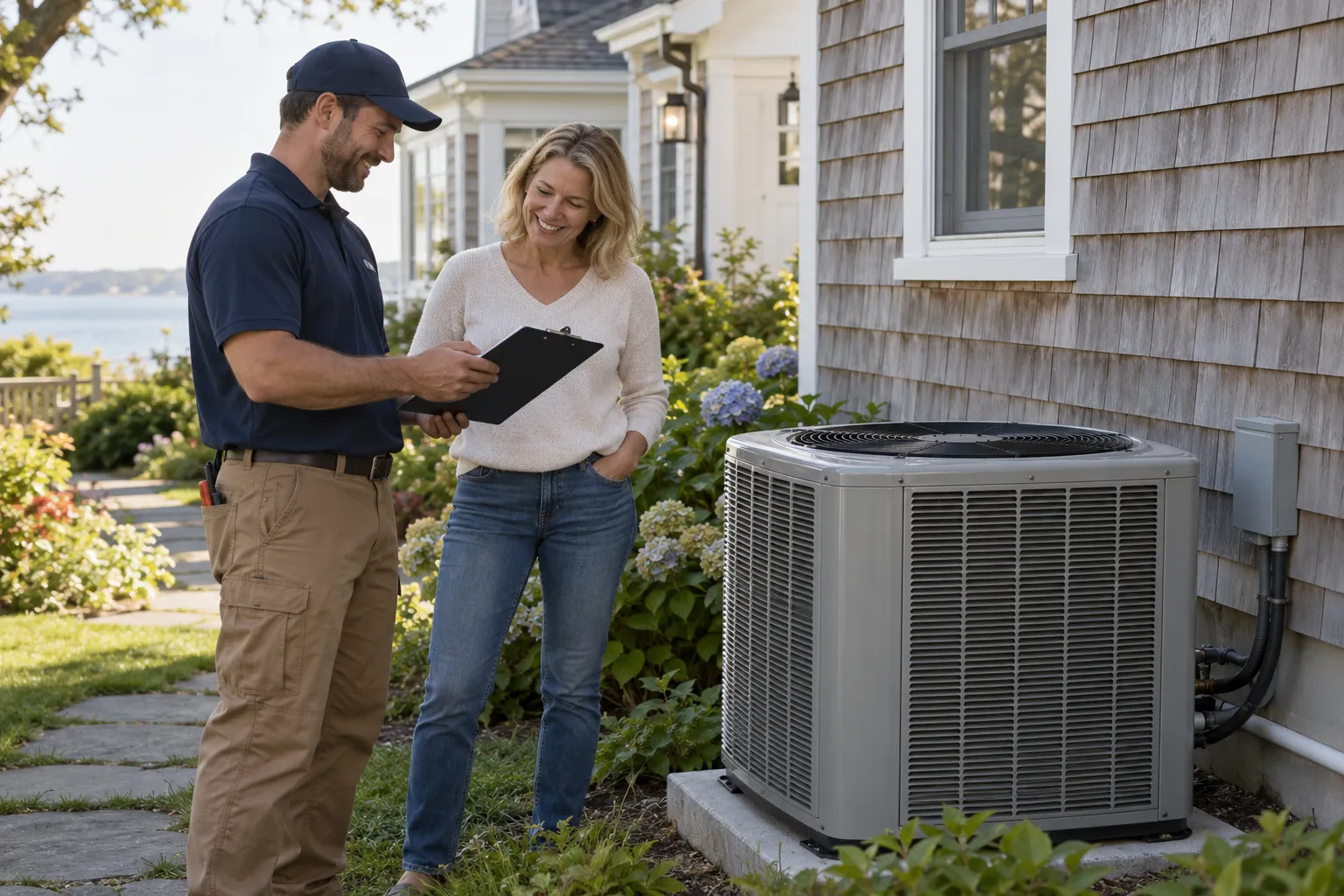
Because of that, ask each provider about licensing, insurance, and availability before work starts. Ask for the quote in writing.
Why the Repair Is Only Half the Job
Most homeowners stop thinking about the system once the air is moving again. That is when prevention pays off.
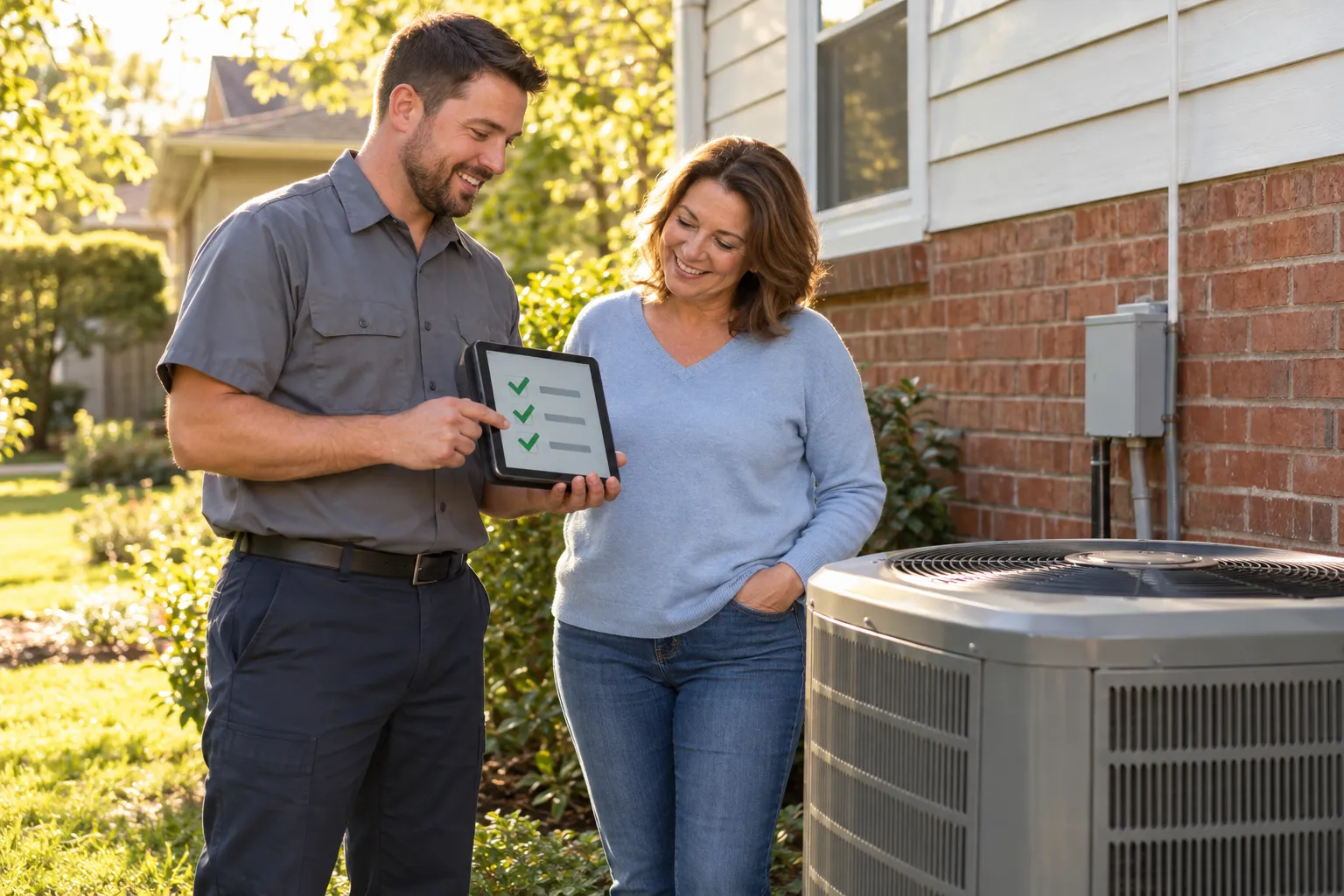
After any visit, try to leave with answers to these questions:
- What failed, and why did it fail?
- Which parts are close to wearing out?
- What should I check each month?
- When is the next tune-up due?
Write the answers down. A fixed unit with a care plan usually has a better chance of running well than a fixed unit with no plan at all.
Serving Homes Across the New York area
Homes here face a mix of weather and building styles. Both affect heating and cooling.
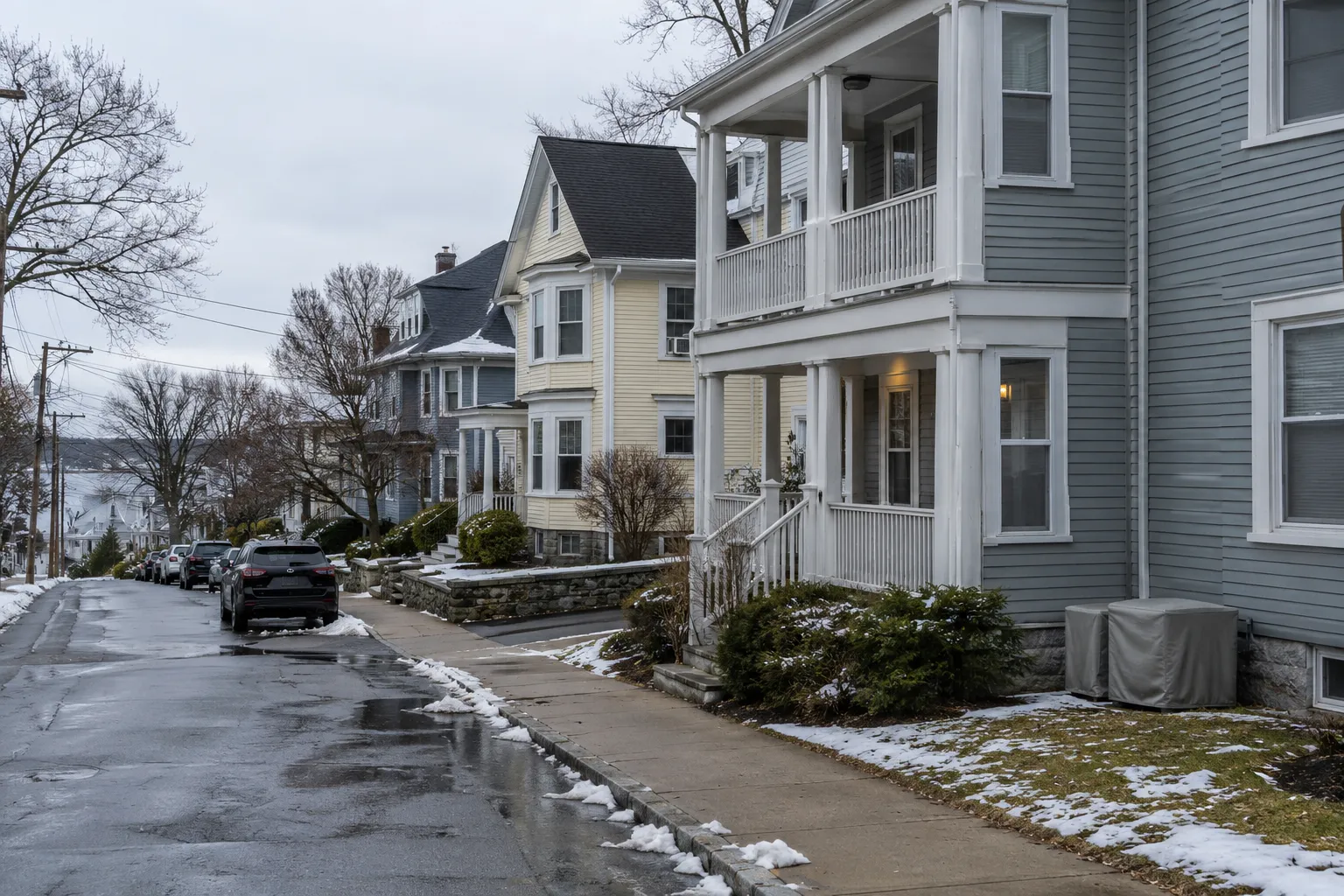
Weather: cold, snowy winters push furnaces hard. Repeated thaw and frost cycles can stress outdoor equipment and drain lines. Spring snowmelt can leave water and debris near units. Coastal storms can bring power surges and blown-in debris.
Housing: older homes may have tight mechanical rooms, aging ductwork, or limited insulation. Full basements and stone or block foundations can hold damp air. Multi-family buildings and Cape Cod style homes often have unusual duct paths and tricky attic spaces, so equipment sizing matters.
A local provider in our network knows these patterns. That helps when you need HVAC service that fits an older house, not just a standard layout.
Here is what to include in your request:
- The type of home and which floor the equipment is on
- The age of the system, if you know it
- What the unit is doing now
- Any recent storms, power flickers, or water in the basement
Get Started
Provider coverage varies by neighborhood, so details help us match you to the right person.
Keep It Fixed: A Simple Upkeep Guide
Why Upkeep Matters After a Repair
A repair solves today's fault. Upkeep protects the fix. Many breakdowns trace back to dirty filters, clogged drains, or worn parts that nobody checked.
Spring Checklist for Cooling
- Replace the air filter.
- Clear leaves, debris, and silt from around the outdoor unit.
- Check that the condensate drain is not blocked.
- Run the AC briefly before the first hot spell.
Fall Checklist for Heating
- Put in a new filter.
- Keep vents and radiators clear of furniture.
- Test the thermostat schedule.
- Listen to the first start-up for new noises.
- Test your carbon monoxide alarms.
Basements and Older Homes
Damp basements can speed up rust and mold. Keep equipment off wet floors, and ask a provider about sealing leaky ducts. Older stone and block foundations often hold moisture longer.
Storm and Frost Habits
After a coastal storm, look at the outdoor unit for debris. Ask a provider whether a surge protector makes sense. During thaw periods, keep snow and ice away from vents and the outdoor unit.
Keep a Simple Service Log
Write the date, the work done, the model number, and the filter size. A log helps the next provider work faster.
Questions to Ask Before the Provider Leaves
- What failed, and what caused it?
- What should I check monthly?
- When should the next tune-up happen?
- Is the quote and any part coverage written down?
Request Your Estimate
Ready for the next step? Fill in the short form with your issue, your address area, and the easiest way to reach you.
Get Started
Would you rather speak with someone? Request a callback to check provider availability. Call hours vary by provider.
You can also write to contact@closeddefense.beer. Include the type of system and what it is doing, and we will point your request to the right provider.